
How to use khamaré vetiver roots: complete tutorial, origin and tips

Sommaire de l'article
Did you just purchase a bouquet of khamaré vetiver roots and aren’t sure where to start? You’ve heard about gongolili from people around you or on social media, and curiosity pushed you to take the plunge?
Either way, this complete guide is made for you: the plant’s origin, names by country, quality criteria, and most importantly, a practical step-by-step tutorial to make the most of it.

🌍 What is khamaré vetiver?
Vetiver (Chrysopogon zizanioides) is a perennial grass native to tropical Asia, but deeply rooted in African traditions for centuries. What sets khamaré vetiver apart from other varieties is its strong cultural heritage in West Africa, and in particular its form sold as small bouquets of dried roots.
The term “khamaré” comes from West African languages and specifically refers to vetiver roots used for well-being, purification, and natural perfumery. The name “gongolili” is more common in Sahelian countries, including Mali and Burkina Faso.
Botany of vetiver
The part of the plant used is its roots. Long, dense, fibrous, they grow vertically deep into the soil up to several meters. This unique root structure gives vetiver exceptional robustness and allows it to accumulate a high concentration of aromatic compounds.
The smell of vetiver roots is often described as:
- Woody and earthy as a base
- Slightly smoky or amber
- Fresh with almost mineral notes
- Long-lasting and enveloping
The different names of khamaré vetiver by country
Vetiver has many names depending on the region, which can be confusing. Here is an overview:
- Khamaré: Senegal, Gambia, Guinea-Bissau
- Gongolili: Mali, Burkina Faso, Côte d’Ivoire
- Vetiver or African vetiver: general French-language term
- Khus: Indian terminology, for the same species
- Cuscus: former colonial name
Whatever name is used, the plant and its properties remain identical. Khamaré gongolili is simply West African vetiver, harvested and dried using traditional methods.
Organic khamaré vetiver roots (Gongolili)
From €12.90 · Free delivery from €49
Preparing vetiver roots: the basics to know
Storage before use
Before any use, make sure your vetiver roots are stored properly. Keep them in a dry, well-ventilated place, protected from humidity and direct light. You can leave them in their original packaging or place them in a natural canvas bag.
Properly stored roots retain their scent intact for many months. Never put them in an airtight plastic container, which will smother their aromas.
Should you rinse vetiver roots?
A light rinse with cold water before use is recommended if you plan to use them for infusions or baths. This removes any transport-related dust without altering the roots’ aromatic properties.
Vetiver bath: an ancestral well-being ritual
This is probably the most common use of khamaré vetiver in West Africa. The vetiver bath is a traditional practice that women and men have followed for centuries to care for their body and mind.
How to prepare a khamaré vetiver bath
Here is the step-by-step method:
- Take a small handful of vetiver roots (about 10 to 15g)
- Heat 1 to 2 liters of water until simmering
- Immerse the roots in hot water and let them steep for 15 to 20 minutes
- Strain to remove the roots
- Pour this scented water into your bath or use it as a rinse after your shower
The water takes a slight amber hue and releases the characteristic scent of vetiver. The result is immediately enveloping and soothing.
Tip: The roots can be reused 2 to 3 times before losing their aromatic intensity. Let them dry completely between uses.
Aïssa’s selection

Organic khamaré vetiver roots (Gongolili)
+6 500 customers · Rating 4.97/5 ★★★★★
From €12.90
Discover the product →Vetiver infusion: preparation and uses
Vetiver infusion is an external preparation very common in African traditions. It can be used for baths, hair care, or as a natural scented body lotion.
To prepare a concentrated infusion:
- Break or lightly crush the roots to release more aroma
- Bring 500ml of water to a boil
- Add the roots and reduce the heat
- Let it simmer for 10 minutes, then steep for another 20 minutes off the heat
- Strain and let cool
This concentrated infusion can be diluted as needed. It stays fresh in the refrigerator for 48 hours.

💎 How to distinguish quality khamaré vetiver?
The quality of vetiver roots can vary significantly between products. Here are the criteria to check:
- Color: golden brown to dark brown roots indicate good storage
- Smell: strong, earthy, with no musty or rotten notes
- Texture: dry, slightly stiff roots, not damp
- Density: a full bouquet, not sparse
- Origin: preferably traceable, ideally West Africa
Quality khamaré vetiver should have an immediately noticeable scent when opening the packaging. If the scent is weak or absent, it is a bad sign. If you want to avoid mistakes, ournatural vetiver rootmeets all these criteria: natural drying, traceable origin, guaranteed intense scent.
Using khamaré vetiver to scent your home
Vetiver roots are wonderful alternatives to synthetic diffusers or chemical-heavy room sprays. Here’s how to use them to scent your space naturally:
- Place a small bouquet in a vase or ceramic pot in your living room
- Slide a few roots between your clothes to give them a long-lasting scent
- Put a bouquet in your wardrobe to repel unwanted pests
- Let the roots diffuse naturally in a closed closet
The scent of khamaré vetiver intensifies slightly with heat. In summer, the roots release even more aromas in enclosed spaces.

Khamaré vetiver bouquet for natural interior decor
Pairing vetiver with other plants
Khamaré vetiver pairs very well with other aromatic and scented African plants. Try combining it with:
- Dried basil leaves for a fresher note
- Cardamom pods for a warm, spicy pairing
- Cinnamon sticks for a cozy atmosphere
- Cloves for a more woody, intense finish
Khamaré vetiver for hair care
Vetiver water can be part of your hair care routine as a final rinse after shampooing. Vetiver roots are renowned in African traditions for supporting a healthy scalp and adding a natural, subtle scent to hair.
Instructions for a vetiver hair rinse:
- Prepare a light infusion (less concentrated than for a bath)
- Let it cool completely
- Apply after shampooing as your final rinse
- Do not rinse off, let it air dry naturally
🌱 Khamaré vetiver: a natural and ecological ingredient
Vetiver is one of the most sustainable plants around. Pesticide-free cultivation is easily achievable, and its deep roots even help fight soil erosion. It is a plant that gives back more than it takes, making it a perfect choice for anyone seeking natural, eco-friendly alternatives.
In a responsible consumption approach, choosing naturally grown and dried khamaré vetiver means supporting African artisan supply chains while caring for yourself with healthy products.
FAQ: Everything you need to know about khamaré vetiver
1. Are khamaré vetiver and gongolili the same plant?
Yes, it is the same plant species (Chrysopogon zizanioides). Both names refer to vetiver roots used in West Africa, with minor cultural variations across countries.
2. How many times can vetiver roots be reused?
Khamaré vetiver roots can generally be reused 2 to 3 times for infusions or baths. After each use, let them dry completely before storing. Their scent gradually fades with each reuse.
3. Is khamaré vetiver dangerous or toxic?
No. Vetiver roots have been used for centuries with no known harmful effects when used externally (baths, perfumery, room scenting). For any specific use, consult a healthcare professional.
4. Can you burn vetiver roots to smell their scent?
Yes, lightly burning the ends of vetiver roots is a common traditional practice. This method releases more aroma and creates a special atmosphere. Be sure to do this in a well-ventilated area.
5. How long does the scent of khamaré vetiver last?
Properly dried roots can retain their scent for several months, even over a year if stored in a dry, light-protected place. This is one of the plant’s key benefits.
6. Is khamaré vetiver suitable for all skin types?
Vetiver water used in baths or external lotions is generally well-tolerated. If you have sensitive or reactive skin, it is recommended to test a small patch before full use.
7. How much root should I use for a bath?
For a bath or rinse, a handful of about 10 to 15 grams is usually enough. You can adjust based on your desired scent intensity.
8. Can khamaré vetiver replace an essential oil diffuser?
It is a natural, artisanal alternative to synthetic diffusers. It does not produce the same diffusion intensity, but its effect is long-lasting and its scent is authentic. It is a conscious consumer choice.
9. Where to buy quality khamaré vetiver?
Ourorganic khamaré vetiveris selected according to strict quality and origin criteria directly from West Africa.
Conclusion: Dare to embrace the vetiver ritual!
Whether you know it as khamaré, gongolili, or simply African vetiver, this plant deserves a special place in your well-being routine. Its roots hold a unique olfactory and cultural heritage passed down through generations across West Africa.
Whether you choose to use it for baths, to scent your home, or for hair care, every use is an invitation to slow down and care for yourself naturally and authentically. Ready to get started? Discover ournatural vetiver rootsand receive your bouquet directly at your home.

À lire aussi
The incredible benefits of organic moringa leaf infusion
Organic moringa leaf infusion: traditional benefits, preparation, and secrets If you are looking for a natural drink to...
Lire l'article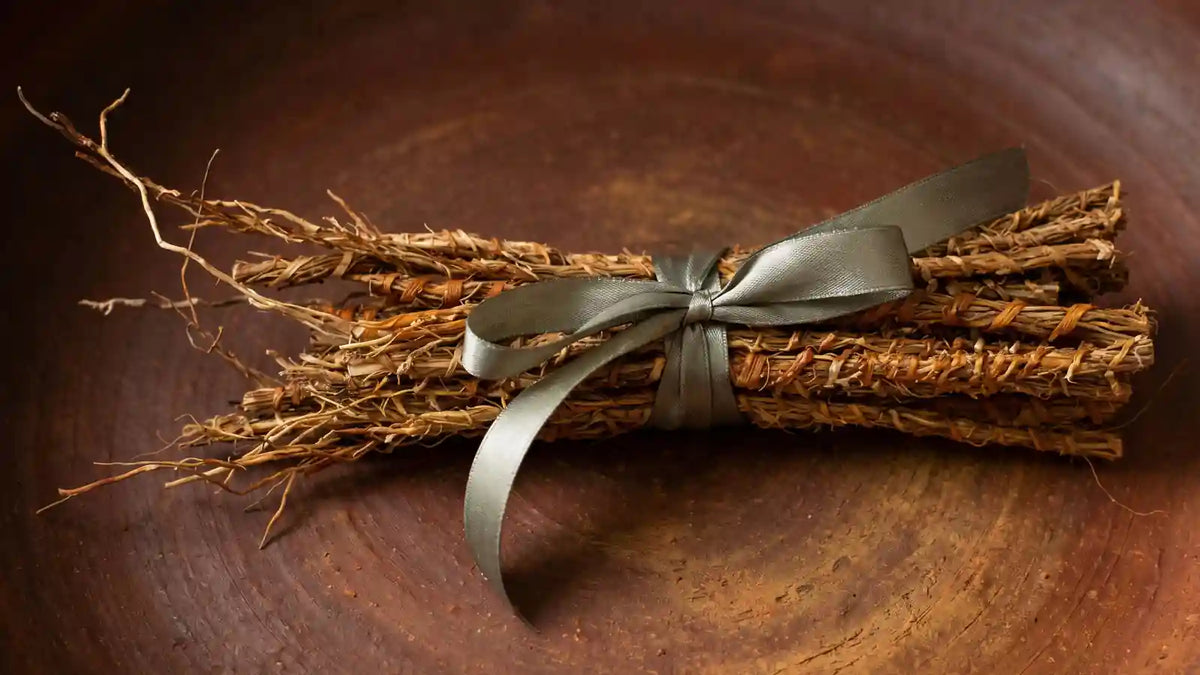
Khamaré Vetiver Well-Being Ritual: How to Turn Your Routine Into a Sensory Experience
There are plants that heal. There are plants that nourish. And then there is the vetiver khamaré, a plant...
Lire l'article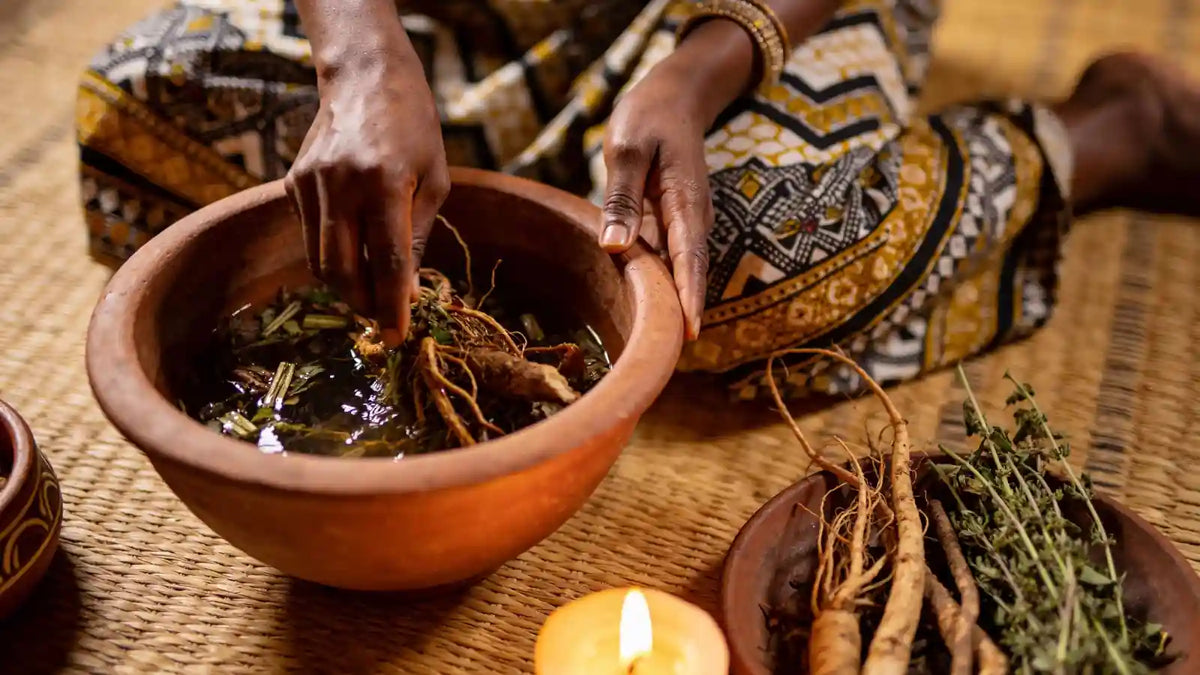
Origins and traditions of African vetiver: the fascinating history of gongolili khamaré
Behind every bunch of khamaré vetiver roots lies a story spanning centuries. A story that crosses continents, cultures,...
Lire l'article
Leave a comment